Dental treatment should feel manageable, even for patients who experience anxiety, sensitivity, or discomfort at the thought of sitting in a dental chair. Sedation dentistry in Hyderabad can help selected patients feel more relaxed and comfortable during dental procedures while the dental team continues to provide appropriate care and monitoring. For patients who are considering treatment but feel nervous about the experience, understanding sedation dentistry and available dental care options can be a useful first step before scheduling an appointment.
However, sedation is not a single treatment or a universal solution. The appropriate method depends on the patient’s medical history, the complexity of the procedure, and the level of relaxation required. Understanding how dental sedation works, who may benefit from it, and what safety precautions are involved can help patients approach treatment with greater confidence.
For patients considering dental sedation in Hyderabad, the most important consideration is choosing a treatment plan that balances comfort with appropriate clinical assessment. The goal is not simply to feel less anxious, but to receive necessary dental care in a carefully planned and well-monitored environment.
What Is Sedation Dentistry?
Sedation dentistry uses medication to help patients feel calmer and more relaxed during dental treatment. Depending on the method, a patient may remain fully conscious and able to communicate, become drowsy, or have limited memory of the procedure.
Sedation is different from general anaesthesia. With many forms of dental sedation, the patient remains responsive while the dentist performs the treatment. Local anaesthesia may also be used to numb the treatment area and control pain.
The type and depth of sedation should be selected by a qualified dental professional based on the patient’s needs, the planned procedure, and relevant safety considerations.
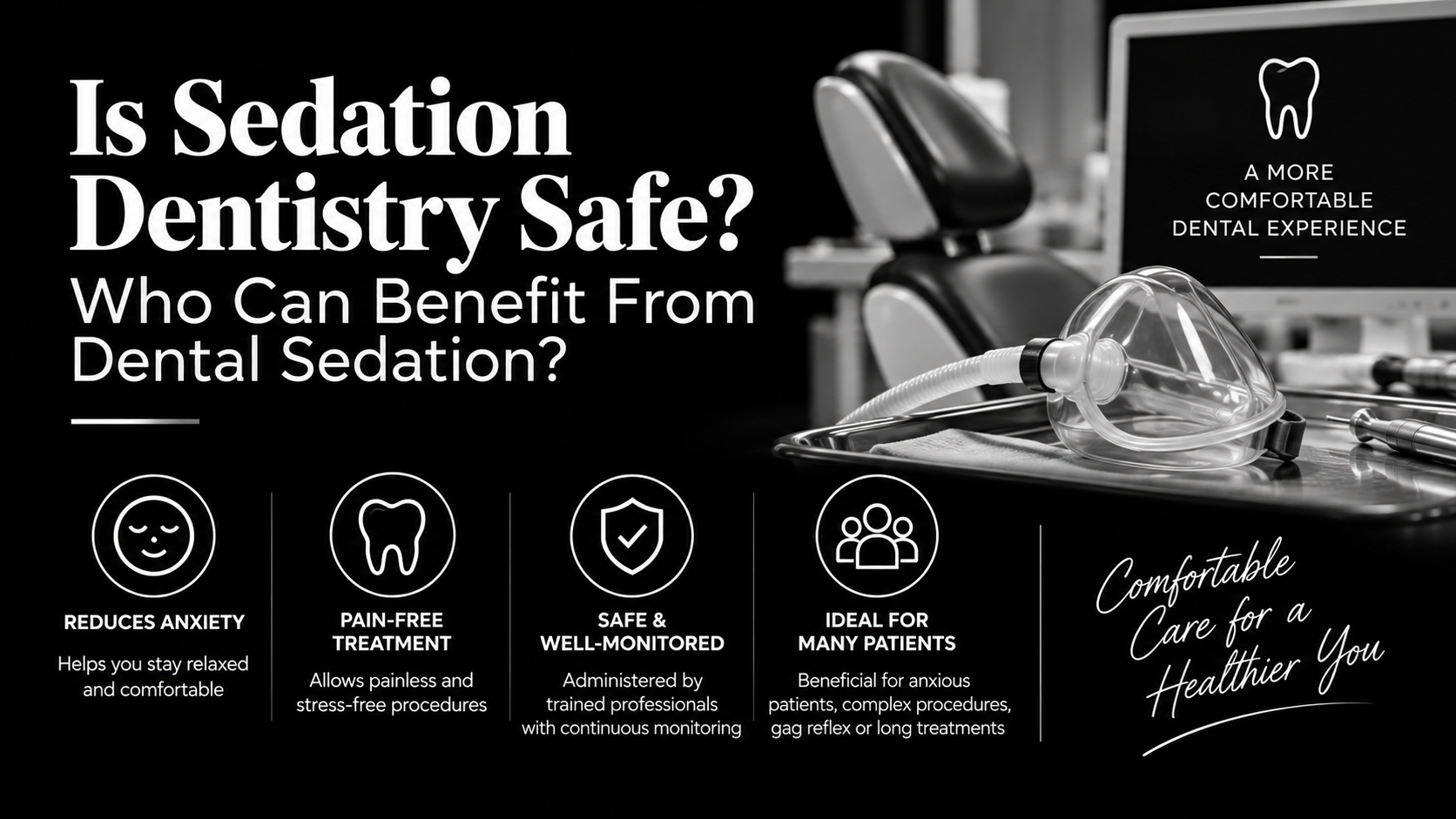
Is Sedation Dentistry Safe?
Dental sedation can be safe for appropriately selected patients when it is administered by trained professionals using suitable monitoring and emergency preparedness. However, no sedative method is completely risk-free.
The safety of sedation depends on several factors, including the medication used, the level of sedation, the patient’s medical history, and the qualifications of the clinician providing care. A proper assessment before treatment is therefore essential.
Medical History and Pre-Treatment Assessment
Before sedation, the dental team should review relevant medical conditions, allergies, medications, previous experiences with anaesthesia or sedation, and any history of breathing or cardiovascular problems.
Patients should disclose all prescription medicines, over-the-counter drugs, and supplements they take. They should also mention pregnancy, sleep-related breathing disorders, and previous adverse reactions to sedatives when applicable.
This information helps the dental team determine whether sedation is suitable and whether any additional precautions or medical consultation are required.
Monitoring During the Procedure
The depth of sedation and the patient’s condition determine the monitoring requirements. Depending on the technique, monitoring may include consciousness, breathing, oxygen saturation, blood pressure, and heart rate.
Appropriate monitoring helps the clinical team identify changes early and respond if complications arise. The exact requirements vary according to the sedation method, the procedure, and applicable professional standards.
Recovery and Aftercare
Patients may experience drowsiness, impaired coordination, or reduced alertness after sedation. Recovery instructions depend on the medication and depth of sedation.
A patient may need an accompanying adult, assistance with transportation, and supervision for a specified period. The dental team should explain when it is safe to resume normal activities, work, driving, and other responsibilities.
Following these instructions is an important part of safe sedation dentistry.
Who Can Benefit From Dental Sedation?
Sedation may be appropriate for patients whose anxiety, sensitivity, or treatment requirements make conventional dental care difficult. It is not necessary for every patient, and suitability should be assessed individually.
Patients With Dental Anxiety
Dental anxiety can cause patients to postpone check-ups, avoid necessary treatment, or experience significant distress during appointments. Sedation may help some patients manage this experience and receive care more comfortably.
It is particularly useful when anxiety prevents a patient from remaining relaxed or cooperating during treatment. However, sedation does not replace communication, reassurance, or longer-term strategies for managing dental fear.
Patients With a Strong Gag Reflex
A pronounced gag reflex can make certain dental procedures challenging. In selected cases, sedation may help the patient tolerate treatment more comfortably.
The dentist should first identify the underlying cause and consider suitable positioning, communication, and clinical techniques. Sedation may be one part of a broader comfort-focused plan.
Patients Undergoing Lengthy or Complex Procedures
Some dental procedures take longer than routine examinations or fillings. Patients undergoing extensive restorative treatment, selected implant procedures, or multiple treatments in one visit may benefit from a sedation approach when clinically appropriate.
For example, patients exploring dental implants in Hyderabad may wish to discuss sedation if they feel anxious about a longer implant consultation or procedure. Sedation suitability depends on the treatment plan and individual medical assessment.
Patients With Difficulty Tolerating Dental Treatment
Some patients struggle to remain still or comfortable during dental procedures because of sensitivity, previous difficult experiences, or other individual circumstances. Sedation may be considered when conventional approaches are insufficient.
The dentist should assess whether sedation is the most suitable option or whether adjustments to the appointment, local anaesthesia, communication, or treatment sequence could address the concern.
Types of Dental Sedation
The appropriate sedation method depends on the patient’s needs and the procedure being performed. Not every dental clinic offers every sedation technique, and availability should be confirmed during consultation.
Nitrous Oxide Sedation
Nitrous oxide, commonly called laughing gas, is inhaled through a mask placed over the nose. It can help patients feel relaxed while they generally remain conscious and able to communicate.
One practical advantage is that its effects usually wear off relatively quickly after administration is stopped. Nevertheless, the dentist must assess whether it is appropriate for the individual patient and provide suitable instructions.
Oral Sedation
Oral sedation involves medication taken by mouth before or during a dental appointment, depending on the prescribed protocol. It may reduce anxiety and cause drowsiness.
The effects can vary between patients, and the medication may impair alertness and coordination. Patients should follow the dentist’s instructions regarding food, medication, transportation, and post-treatment supervision.
Intravenous Sedation
Intravenous sedation delivers medication through a vein, allowing the clinical team to adjust the level of sedation more directly. It may be considered for selected patients and procedures requiring a greater level of relaxation.
This technique requires appropriate training, monitoring, and recovery arrangements. The clinician should explain the expected level of awareness, potential risks, and aftercare requirements before treatment.
How to Prepare for a Sedation Dentistry Appointment
Share Complete Medical Information
Tell your dentist about your medical history, current medications, allergies, pregnancy status when relevant, and any previous reactions to sedation or anaesthesia. Do not omit information because it seems unrelated to dental treatment.
Follow Eating and Drinking Instructions
Some sedation techniques require specific fasting or food and drink instructions, while others may not. Follow the exact guidance provided by your dental team rather than assuming that all sedation methods have the same requirements.
Arrange Transportation When Required
Depending on the sedation method, you may not be able to drive or travel home independently after treatment. Arrange a responsible adult to accompany you if instructed by the dental team.
Plan for Recovery
Allow time to rest after sedation. Avoid making important decisions, operating machinery, or returning to activities that require full alertness until your dental team confirms that it is appropriate.
Choosing the Right Sedation Option
Consider the Procedure First
A short, routine dental procedure may not require sedation, while a longer or more complex treatment may justify discussing it. The decision should be based on the patient’s comfort, the procedure, and clinical suitability.
Discuss Anxiety and Previous Experiences
Be open about what makes dental treatment difficult. Whether the concern is fear of needles, discomfort, a previous negative experience, or the length of the appointment, understanding the underlying issue helps the dentist create a more appropriate plan.
Ask About Monitoring and Recovery
Before agreeing to sedation, ask who will administer it, what monitoring will be used, how long recovery may take, and what support is required afterward. Clear answers help patients make informed decisions.
Choose a Clinic With a Patient-Centred Approach
A comfortable dental experience involves more than medication. Clear explanations, thoughtful treatment planning, and attention to patient concerns can make the appointment easier to manage.
Patients considering sedation alongside restorative or cosmetic treatment can also explore cosmetic dentistry in Hyderabad to understand the broader range of dental care options available. The appropriate treatment sequence should be discussed with the dental team.
Frequently Asked Questions About Sedation Dentistry
Is dental sedation the same as being unconscious?
No. Many forms of dental sedation allow patients to remain conscious and responsive. The level of awareness depends on the medication and technique used. General anaesthesia, in contrast, produces a controlled state of unconsciousness and is a different type of care.
Will I feel pain during dental sedation?
Sedation primarily helps reduce anxiety and promote relaxation. It does not necessarily eliminate pain on its own. Dentists may use local anaesthesia alongside sedation to numb the treatment area. Ask your dentist how discomfort will be managed during your specific procedure.
Can children receive dental sedation?
Some children may be suitable for sedation, but the decision requires careful consideration of age, medical history, cooperation, procedure type, and the qualifications of the treating team. Parents should receive clear instructions about preparation, monitoring, and recovery before treatment.
What are the possible side effects of dental sedation?
Depending on the medication and sedation depth, side effects may include drowsiness, dizziness, nausea, headache, or temporary impairment of coordination and memory. More serious complications can occur, particularly with deeper sedation, which is why appropriate assessment and monitoring are essential.
Can I drive home after dental sedation?
You should not assume that you can drive after sedation. Some methods impair alertness and coordination for several hours or longer. Follow your dentist’s instructions and arrange transportation and supervision when required.
Is sedation dentistry suitable for patients with medical conditions?
It depends on the condition, its severity, current medications, and the sedation method being considered. Patients with breathing disorders, cardiovascular conditions, or other significant medical concerns may require additional assessment. Always disclose your complete medical history before treatment.
Does sedation dentistry help with long-term dental anxiety?
Sedation may make a particular appointment more manageable, but it does not necessarily address the underlying cause of dental anxiety. For lasting improvement, patients may also benefit from communication-based approaches, gradual exposure, behavioural strategies, or professional support when appropriate.
A More Comfortable Approach to Dental Care
Sedation dentistry can be a valuable option for patients who experience dental anxiety or need help tolerating selected procedures. Its suitability depends on individual assessment, the planned treatment, and the use of appropriate clinical safeguards.
If you are considering sedation dentistry in Hyderabad, American Smile Clinic can help you discuss your treatment concerns and available dental care options. A consultation with the dental team can help you understand whether sedation is appropriate for your needs, what preparation is required, and how your comfort and safety will be managed throughout the treatment.