placement, although the need for additional procedures depends on the patient’s individual clinical findings.
If the available bone is insufficient, bone grafting or other preparatory procedures may be A beautifully restored smile is not defined by appearance alone. It is also about how comfortably you eat, speak, and move through everyday life. For people considering dental implants, one of the most important questions is not simply how the replacement tooth will look, but how long it can remain a dependable part of their oral health.
Dental implants are designed to replace missing tooth roots and support restorations such as crowns, bridges, or full-arch teeth. With appropriate planning and maintenance, the implant fixture can remain functional for decades, and some implants last a lifetime. However, longevity is influenced by the health of the surrounding tissues, the quality of treatment, daily habits, and the restoration attached to the implant.
At American Smile Clinic, dental implant treatment is presented through a precision-focused approach that combines digital planning, individualized care, and implant dentistry expertise. For patients exploring dental implants in Hyderabad, understanding the factors behind implant lifespan is an essential part of making a confident, informed decision.
How Long Do Dental Implants Last?
Dental implants can last for decades when they are appropriately placed, successfully integrated with the jawbone, and properly maintained. However, there is no universal expiration date that applies to every patient.
A dental implant has three principal components:
- Implant fixture: The component placed within the jawbone that serves as the artificial tooth root.
- Abutment: The connector that joins the implant fixture to the restoration.
- Crown, bridge, or prosthesis: The visible tooth replacement that restores chewing function and appearance.
The implant fixture and the visible restoration have different maintenance requirements. A crown may experience wear or damage and need replacement while the underlying implant remains stable. Similarly, an implant-supported bridge or full-arch prosthesis may require periodic professional maintenance.
This distinction matters when considering the long-term value of dental implants. A durable result depends not only on the implant itself, but also on the health of the tissues around it and the condition of the restoration it supports.
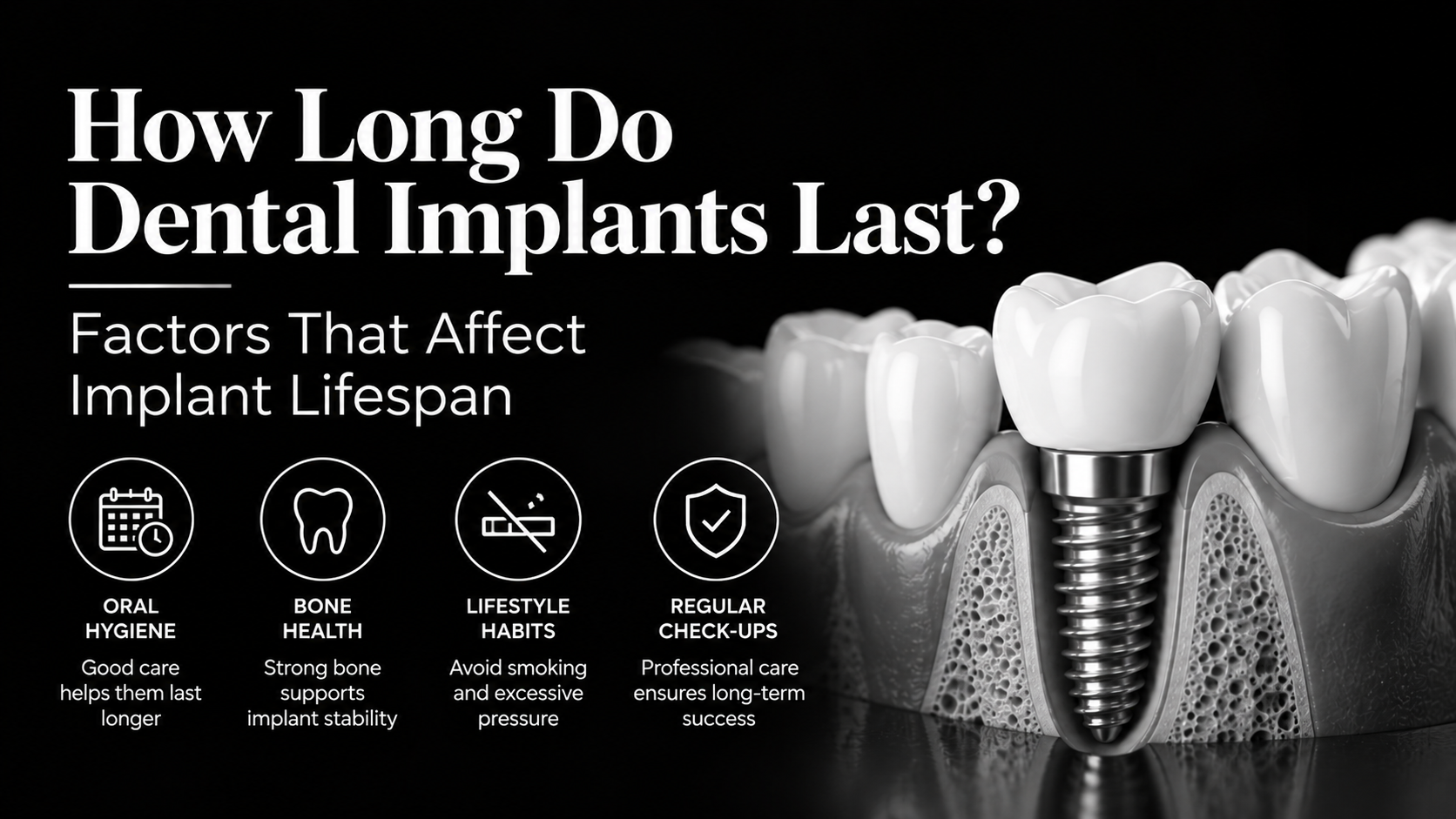
What Factors Affect Dental Implant Lifespan?
1. Jawbone Health and Implant Stability
The jawbone provides the structural foundation for a dental implant. After tooth loss, the bone in the affected area may gradually resorb because the natural tooth root is no longer present.
Before implant placement, the dentist evaluates the available bone and surrounding anatomy. Digital imaging, including CBCT scans when clinically appropriate, can help assess the proposed implant site and guide treatment planning.
American Smile Clinic describes CBCT and 3D-guided planning within its dental implant treatment approach. These technologies assist with evaluating anatomy and planning implant considered. A sinus lift may also be relevant for selected upper-jaw cases.
Practical consideration: Ask whether your bone volume is adequate for the proposed implant and whether any preparatory treatment is necessary before surgery.
2. Precision of Implant Placement
The position of an implant influences its relationship with the surrounding bone, gum tissue, neighboring teeth, and final restoration. Careful planning helps the dentist consider anatomy, bite forces, available space, and the desired position of the replacement tooth.
American Smile Clinic’s dental implant surgeon in Hyderabad page describes precision planning and guided protocols as part of its implant surgery services.
The objective is not merely to place an implant, but to establish a foundation that supports function, hygiene, and restoration design.
For patients, an important question is how the proposed implant position relates to the final crown or bridge. Restoration-led planning can help ensure that the replacement tooth is designed with both appearance and long-term maintenance in mind.
3. Oral Hygiene and Peri-Implant Health
Dental implants are not immune to inflammation. Bacterial plaque can accumulate around an implant, just as it can around natural teeth. Inflammation of the soft tissue surrounding an implant is known as peri-implant mucositis. If disease progresses and supporting bone is affected, it may develop into peri-implantitis.
The American Academy of Periodontology emphasizes the importance of preventing and managing diseases affecting tissues around dental implants.
Effective oral hygiene is therefore a long-term responsibility. Brushing alone may not reach every surface around an implant-supported crown, bridge, or full-arch restoration. Depending on the restoration design, the dentist may recommend interdental brushes, specialized floss, or other cleaning aids.
Practical consideration: During your consultation, ask the dentist to demonstrate how to clean around the specific restoration you will receive. The correct technique may differ from routine cleaning of natural teeth.
4. Smoking and Overall Health
Healing and long-term implant maintenance can be influenced by lifestyle and medical factors. Smoking is associated with an increased risk of implant-related complications, while conditions such as poorly controlled diabetes may affect healing and oral health.
A comprehensive consultation should include relevant medical history, medications, and lifestyle factors. This information helps the dentist assess potential risks and determine whether additional preparation or monitoring is appropriate.
Patients should not assume that an implant treatment plan is identical for everyone. A person with healthy gums and favorable bone conditions may have different requirements from someone with active periodontal disease or a history of implant complications.
5. Bite Forces and Teeth Grinding
An implant-supported restoration must withstand the forces generated during chewing. Excessive or uneven forces can contribute to mechanical complications affecting the crown, abutment, or other implant components.
Teeth grinding and clenching, commonly known as bruxism, may increase the load placed on dental restorations. If you regularly wake with jaw discomfort, notice worn teeth, or suspect nighttime grinding, mention it during your implant consultation.
The dentist may assess your bite and consider appropriate restoration design or protective measures, such as a night guard, when clinically indicated.
Practical consideration: A comfortable, well-balanced bite is an important part of protecting your implant-supported restoration over time.
6. Restoration Quality and Maintenance
The visible replacement tooth is an essential part of the implant treatment. A crown, bridge, or full-arch prosthesis must be designed to support function, appearance, and effective cleaning.
Even when the implant fixture remains stable, the restoration may eventually require maintenance because of wear, accidental damage, or changes in the surrounding oral environment.
For example, a patient with a single implant crown may need a different maintenance approach from someone with a full-arch implant restoration. The shape of the prosthesis, the access for cleaning, and the distribution of chewing forces all influence the care routine.
When discussing treatment, ask about the expected lifespan of the restoration separately from the implant fixture. This gives you a clearer understanding of long-term care and potential future costs.
Dental Implant Treatment Options and Their Longevity Considerations
Dental implants can be used in several ways, depending on the number of missing teeth, bone condition, oral health, and treatment goals. The restoration type influences both function and maintenance.
Single Tooth Dental Implants
A single tooth implant replaces one missing tooth using an implant fixture and a custom crown.
American Smile Clinic offers single tooth dental implants as part of its implant dentistry services.
Why it works: A single implant can support an individual crown without requiring the adjacent natural teeth to serve as conventional bridge supports.
When to consider it: This option may be suitable for patients who have lost one tooth and have favorable conditions for implant treatment.
Practical usage guidance: The implant crown should be cleaned carefully around its gumline and between neighboring teeth. Patients should also continue routine care of their natural teeth, since the health of the entire mouth influences long-term oral stability.
Multiple Teeth and Implant-Supported Bridges
When several teeth are missing, an implant-supported bridge may replace multiple teeth using implant fixtures for support.
American Smile Clinic includes dental implant bridges among its treatment options.
Why it works: An implant-supported bridge can restore a series of missing teeth without relying exclusively on natural teeth for support.
When to consider it: It may be considered when multiple teeth are missing and the patient’s bone, gum health, and restoration requirements make this approach appropriate.
Practical usage guidance: Cleaning beneath the bridge and around the supporting implants is essential. Ask your dentist which interdental cleaning tools are best suited to the bridge design.
Full-Mouth Dental Implants
Full-mouth dental implants are used to restore an entire upper or lower arch with an implant-supported fixed restoration in selected cases.
American Smile Clinic’s full-mouth dental implants in Hyderabad page describes its full-arch treatment approach, including digital planning and individualized care.
Why it works: Full-arch implant treatment can provide a fixed tooth replacement for patients with extensive tooth loss or failing dentition.
When to consider it: It may be appropriate for selected patients who require comprehensive tooth replacement, subject to detailed clinical evaluation.
Practical usage guidance: Full-arch restorations require a structured hygiene routine and professional reviews. Before treatment, ask how the prosthesis will be cleaned and whether it will need to be removed periodically by the dentist for professional maintenance.
All-on-4 and All-on-6 Dental Implants
All-on-4 and All-on-6 are full-arch implant treatment approaches that use four or six implants, respectively, to support a complete arch restoration in selected cases.
American Smile Clinic discusses All-on-4 and All-on-6 implants within its full-mouth implant services.
Why they work: These approaches can support a fixed full-arch restoration using a planned number of implants, depending on anatomy and clinical suitability.
When to consider them: They may be considered by patients requiring extensive tooth replacement who are candidates for full-arch rehabilitation.
Practical usage guidance: The number of implants is only one part of the treatment plan. Bone quality, implant positioning, prosthesis design, bite forces, and maintenance access all deserve attention. The dentist should explain why a particular approach is appropriate for your case rather than treating the implant count as a guarantee of longevity.
How to Make Dental Implants Last Longer
Long-term implant care begins with the habits established after treatment. A consistent routine helps protect the surrounding tissues and allows potential problems to be identified early.
Maintain Daily Oral Hygiene
Brush twice daily with a soft-bristled toothbrush and fluoride toothpaste, unless your dentist recommends a different routine. Clean between teeth and around the implant-supported restoration using appropriate tools.
The aim is to remove plaque from areas that ordinary brushing may not reach effectively.
Attend Regular Dental Check-Ups
Routine reviews allow the dentist to evaluate the implant, surrounding gum tissue, bone support, and restoration. The frequency of visits depends on your oral health, medical history, restoration type, and individual risk factors.
Patients with a history of gum disease may require closer monitoring.
Avoid Unnecessary Mechanical Stress
Do not use implant-supported teeth to bite bottle caps, pens, or other hard non-food objects. Avoiding unnecessary stress can help protect the restoration from damage.
Address Symptoms Early
Bleeding, swelling, persistent discomfort, an unpleasant taste, or changes in the stability of an implant-supported restoration should be assessed promptly.
A dental professional can determine whether the symptoms relate to inflammation, infection, or a mechanical problem.
Follow Your Dentist’s Post-Treatment Instructions
After implant placement or restoration, your dentist will provide instructions regarding healing, diet, cleaning, and follow-up appointments. Following these recommendations supports recovery and helps the clinical team monitor your progress.
Choosing the Right Dental Implant Dentist
The longevity of dental implants is influenced by treatment planning, surgical technique, restoration design, and aftercare. Choosing a dental implant dentist should therefore involve more than comparing prices.
Patients may wish to consider the clinician’s training, experience, diagnostic approach, technology, and commitment to ongoing care.
American Smile Clinic introduces Dr. Srikanth Cherukadu, DMD, a U.S.-trained cosmetic and implant dentist. The clinic’s implant services emphasize digital diagnostics, precision-focused planning, and individualized treatment.
When considering a dental implant clinic in Hyderabad, useful questions include:
- What type of implant restoration is suitable for my case?
- Do I need bone grafting or a sinus lift?
- What imaging will be used for treatment planning?
- How long is the expected healing period?
- How should I clean the implant-supported restoration?
- What maintenance appointments will I need?
- What happens if the crown, bridge, or implant components require repair?
A detailed consultation helps patients understand the complete treatment journey and the responsibilities involved in protecting their results.
Frequently Asked Questions About Dental Implant Lifespan
How long do dental implants last on average?
Dental implants can last for decades and may remain functional for a lifetime in suitable circumstances. Longevity varies according to bone health, oral hygiene, smoking, medical conditions, implant placement, bite forces, and restoration maintenance. A dentist can provide a more individualized prognosis after examining your oral health and treatment needs.
Can dental implants last a lifetime?
Yes, dental implants can last a lifetime, but this is not guaranteed. The implant fixture may remain stable for many years, while the crown or bridge attached to it may require repair or replacement. Regular professional reviews and effective home care help support long-term implant health.
Do dental implants need to be replaced?
Not necessarily. A stable implant fixture does not automatically need replacement because it has been in place for many years. However, the restoration or certain implant components may require maintenance, repair, or replacement. If an implant develops infection, loses supporting bone, or experiences a mechanical complication, the dentist will assess the appropriate treatment.
What causes dental implants to fail?
Implant failure can occur for different reasons. Early failure may involve problems with healing or osseointegration. Later complications may include peri-implantitis, bone loss, excessive loading, or mechanical problems affecting the restoration or implant components. Smoking, uncontrolled diabetes, and inadequate plaque control can increase risk. A clinical examination is necessary to determine the cause of an individual problem.
How can I protect my dental implants for the long term?
Maintain thorough daily oral hygiene, attend regular dental check-ups, avoid smoking, manage relevant health conditions with appropriate medical guidance, and follow your dentist’s recommendations. If you grind your teeth, ask whether a bite assessment or protective night guard is appropriate. These measures support long-term implant care, although they cannot guarantee a specific lifespan.
Are full-mouth dental implants difficult to maintain?
Full-mouth implant restorations may require specialized cleaning techniques because the prosthesis can cover a larger area and include spaces beneath the restoration. Your dentist should demonstrate the correct cleaning method and explain the recommended professional maintenance schedule.
How often should dental implants be checked?
There is no single schedule suitable for every patient. Your dentist will recommend review intervals based on gum health, medical history, restoration type, hygiene, and risk factors. Patients with a history of periodontal disease or implant complications may require more frequent monitoring.
Is dental implant treatment suitable for older adults?
Age alone does not determine implant suitability. The dentist considers overall health, bone condition, oral hygiene, healing capacity, and the ability to maintain the restoration. A comprehensive assessment helps determine whether implants are appropriate and what preparation may be required.
A Long-Term Investment in Your Smile
Dental implants are designed to provide a stable foundation for tooth replacement, but their longevity depends on more than the implant fixture itself. The quality of planning, the health of the surrounding tissues, the design of the restoration, and the consistency of aftercare all contribute to long-term performance.
For patients exploring dental implants in Hyderabad, American Smile Clinic offers information about implant treatment and a starting point for arranging a professional consultation.
The most reliable way to understand your expected implant lifespan is through an individualized evaluation that considers your oral health, anatomy, functional needs, and long-term maintenance plan.