A common question I hear from patients with failing teeth is, “Doctor, should I just remove everything and get implants?” It often comes after years of root canals, crowns, bridges, loose teeth or an uncomfortable denture. By then, they are tired of repairing one tooth after another and want a solution they can trust.
That is when terms such as All-on-4 and All-on-X enter the conversation. They are useful treatment concepts, but they are not a diagnosis. Implant number should be decided only after studying the patient’s bone, bite, smile, medical history and the teeth we are trying to build.
“The number of implants should follow the diagnosis, not the advertisement.”
Understanding All-on-4 and All-on-X
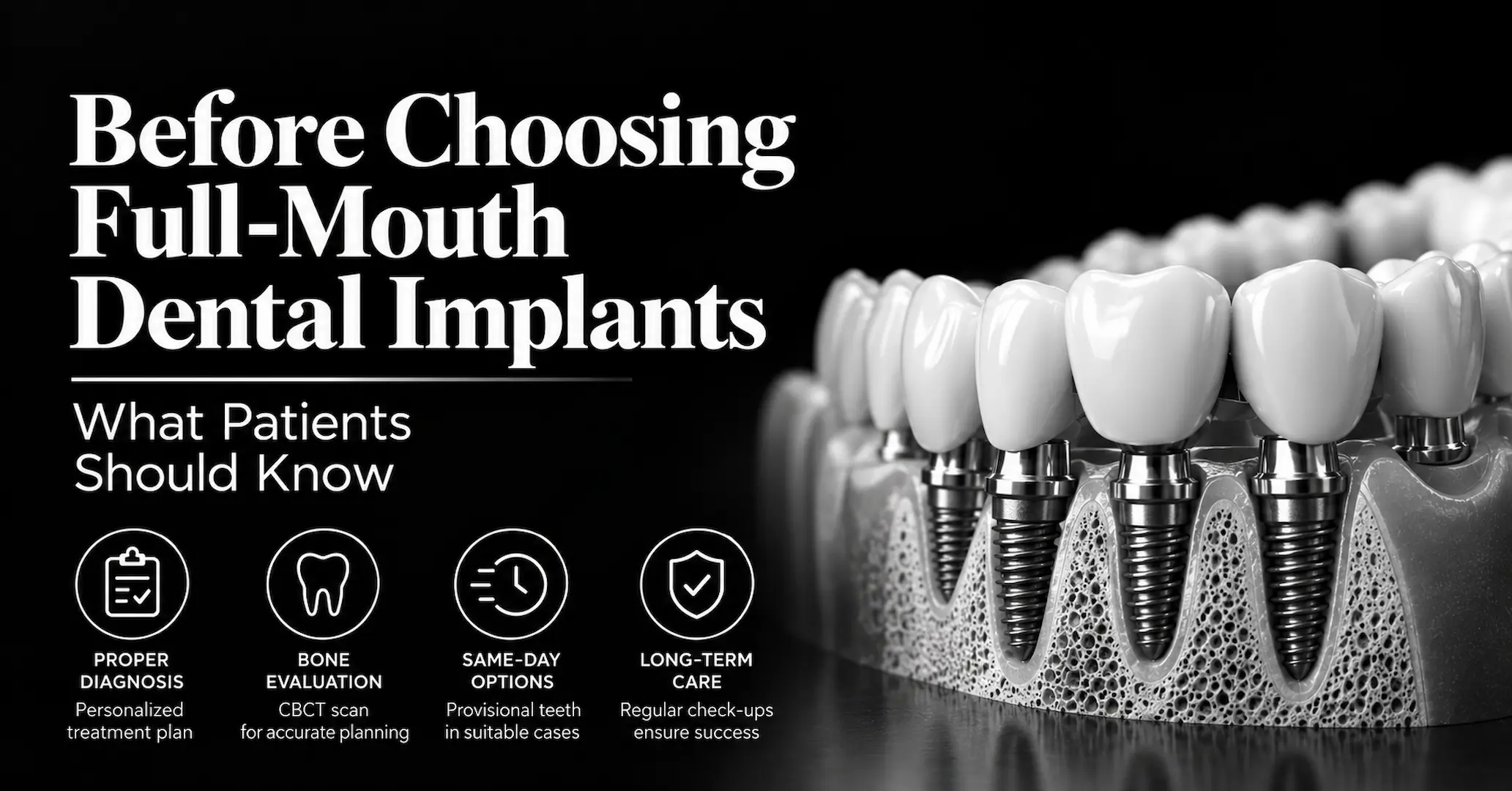
All-on-4 means a full arch of fixed teeth supported by four implants. All-on-X is broader: some patients may be better served with four implants, others with five or six. More implants are not automatically better. The right number is the one that makes sense for that jaw and restoration.
Planning Matters More Than the Slogan
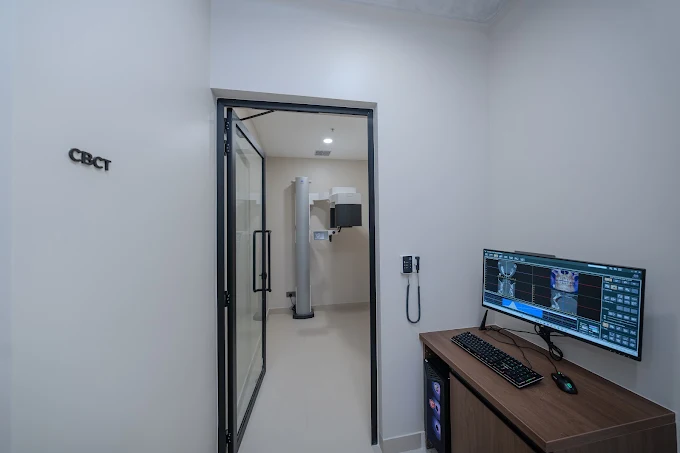
In modern implant dentistry, I believe we should first plan the teeth and then plan the implants around them. A 3D dental CT scan, specifically a cone beam CT (CBCT), shows the available bone and important anatomy in three dimensions. Digital scans and photographs help us understand the bite, smile and tooth position. Studied together, these records let us plan implant placement with the final result in mind.
In full-mouth cases, we may also need to restore lost gum and bone volume, lip support and speech. A technically successful implant can still disappoint if the final teeth look bulky, are difficult to clean or do not suit the patient’s face.
What Does “Fixed Teeth in a Day” Really Mean?
Many patients are attracted to the idea of leaving with fixed teeth immediately after implant surgery. In suitable cases, that is possible. But the teeth placed on the day of surgery are usually provisional teeth, not the final restoration.
Immediate loading depends on implant stability, bone quality and the bite. Sometimes healing first is safer. That decision should be clinical, not a promise made before the case is assessed.
The provisional phase lets us evaluate comfort, speech, tooth length, smile, bite and hygiene before making the definitive restoration. “Same-day teeth” should describe a clinical protocol, not a marketing promise.
Natural-Looking Teeth Are Not Just About Choosing a Shade
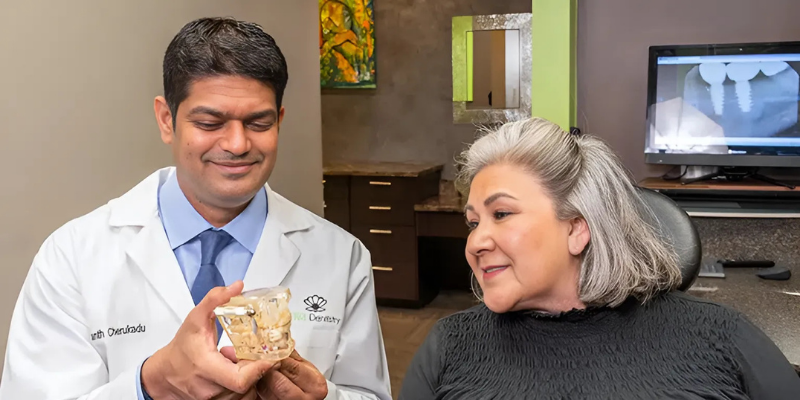
Patients often tell me, “I don’t want them to look fake.” That is a reasonable concern. Good implant dentistry is not about making the whitest or biggest teeth possible.
Tooth proportion, midline, smile line, lip movement and speech all matter. If significant bone and gum tissue has been lost, the restoration may need to replace that volume without making the teeth look too long or bulky.
Patients also ask for zirconia because they have heard it is the best material. It can be an excellent choice, but not for every situation. PMMA is often useful during the provisional phase because it allows adjustments. Final material selection should consider strength, available space, the opposing teeth, hygiene and function.
What If There Is Not Enough Bone?
Bone loss is common after years of missing teeth or advanced gum disease. It does not necessarily rule out implants, but it may change the plan. Options can include different implant positions, bone grafting, sinus augmentation or other approaches.
This is why a 3D dental CT/CBCT evaluation matters. Two patients asking for All-on-4 may need very different plans.
The Part Patients Often Overlook: Maintenance
Full-mouth dental implants are fixed, but not maintenance-free. The restoration must be cleanable, and the tissues, bite, screws, components and prosthesis need regular review.
For NRIs and patients travelling to Hyderabad, it is reasonable to ask how many visits will be needed and what can be completed on each trip. Digital records help, but travel schedules should not rush biological healing.
Before Choosing Full-Mouth Implant Treatment, I Would Ask These Questions
- Can you show me my CBCT and explain why you are recommending this number and position of implants?
- Are the implants being planned around the final tooth position?
- Am I a suitable candidate for immediate fixed provisional teeth?
- What is the difference between my provisional and final teeth?
- How are my smile, lip support, speech and bite being evaluated?
- Which material are you recommending for the final teeth, and why?
- Do I have enough bone, and if not, what are the alternatives?
- What happens if an implant cannot be placed exactly as planned?
- How will I clean the restoration, and what long-term maintenance will I need?
- Who will look after the implants and prosthesis after treatment is completed?
Final Thoughts
All-on-4 and All-on-X can be excellent solutions for the right patient. The real goal, however, is not four or six implants. It is comfortable, cleanable, natural-looking fixed teeth on a properly planned foundation.
Frequently Asked Questions
1. What is the difference between All-on-4 and All-on-X dental implants?
All-on-4 refers to a full arch of fixed teeth supported by four implants. All-on-X is a broader treatment concept where the number of implants may vary, with some patients requiring four and others potentially benefiting from five or six implants. The appropriate number should be determined after evaluating the patient’s bone, bite, smile, medical history and planned restoration.
2. Can I get fixed teeth on the same day as my dental implants?
In suitable cases, patients may receive fixed provisional teeth immediately after implant surgery. However, these are usually provisional rather than final teeth. Immediate loading depends on factors such as implant stability, bone quality and the patient’s bite. In some cases, healing before placing fixed teeth may be safer.
3. Is a CBCT scan necessary before full-mouth dental implants?
A CBCT, or cone beam CT scan, provides a three-dimensional view of the available bone and important anatomical structures. It can help the dental team plan implant placement around the final tooth position. Because patients can have very different bone conditions, two people considering All-on-4 may require different treatment plans.
4. What materials can be used for full-mouth implant teeth?
Different materials may be appropriate depending on the individual case. PMMA can be useful for provisional teeth because it allows adjustments during the provisional phase. Zirconia can be an excellent option for final restorations, but it is not automatically the best choice for every patient. Factors such as strength, available space, opposing teeth, hygiene and function should be considered when selecting the final material.
5. Do full-mouth dental implants require regular maintenance?
Yes. Full-mouth dental implants are fixed but are not maintenance-free. The restoration needs to remain cleanable, while the surrounding tissues, bite, screws, components and prosthesis require regular review. Patients should discuss their long-term cleaning routine and maintenance schedule with their dental team before undergoing treatment.
ABOUT THE AUTHOR
Dr. Srikanth Cherukadu, DMD
U.S.-trained dentist and founder of American Dental Implants & Smile Clinic, Financial Dist., Hyderabad. A graduate of Boston University Henry M. Goldman School of Dental Medicine, he has more than 15 years of U.S. private-practice experience in implant, restorative and digital dentistry.