
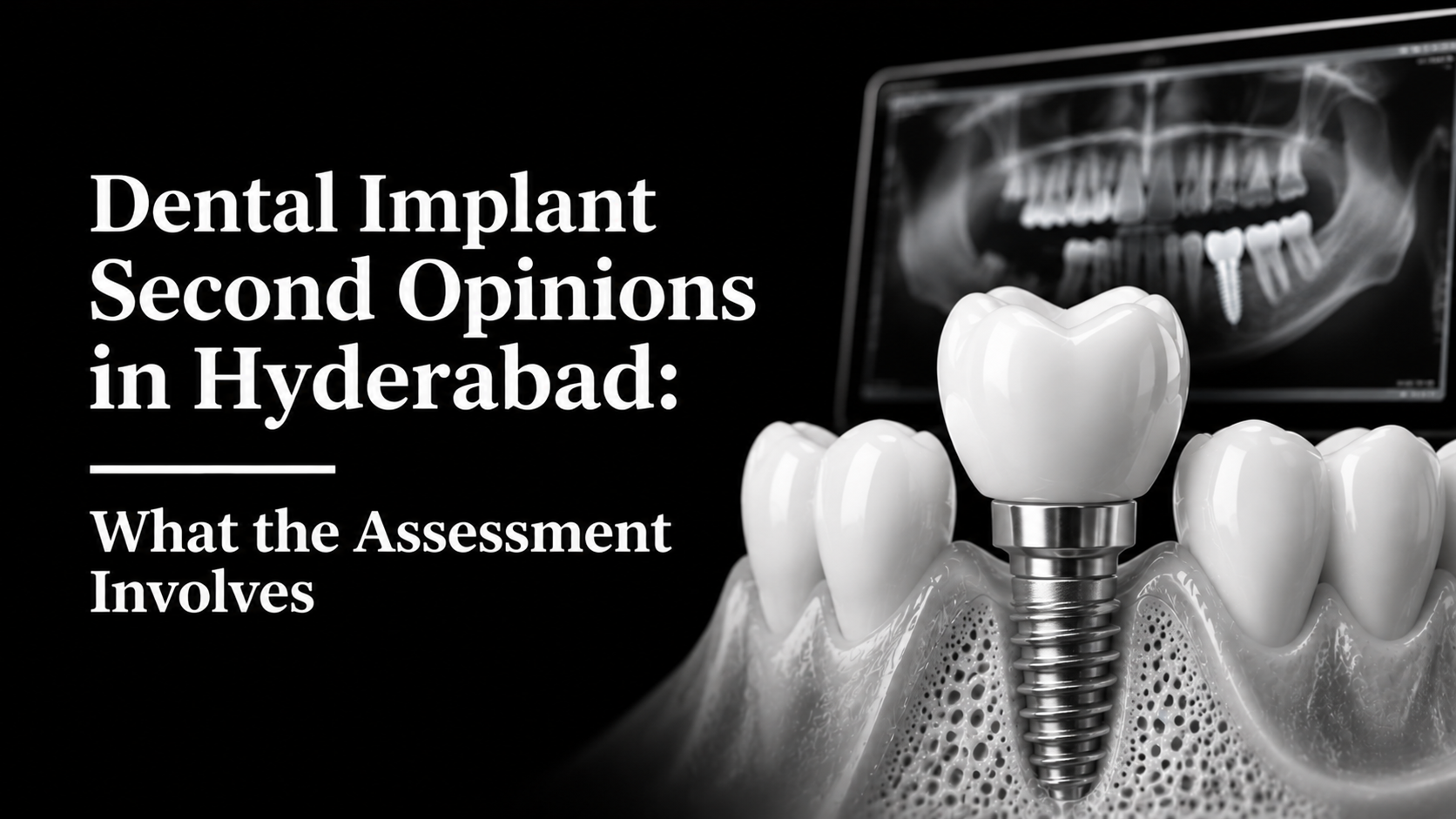
A second opinion should help you understand your options
A dental implant second opinion is an opportunity to review a diagnosis, proposed treatment or concern about existing implants before deciding what to do next. It should explain the reasoning, reasonable alternatives and limits of the available information. It is not a promise that a different treatment will be recommended.
I am Dr. Srikanth Cherukadu. My approach is to start with your concern and the clinical evidence. A second assessment may support the original plan, suggest modifications or identify questions that need further investigation.
When another assessment can be useful
You may want clarification before removing teeth, choosing a full arch implant restoration or agreeing to additional grafting. You may also have questions about a proposed repair, persistent discomfort or maintenance of implants placed elsewhere.
Ask what you most need to understand: which teeth can reasonably be retained, why a procedure is recommended, how the final teeth will function, or what happens if treatment is delayed. The American Dental Association encourages patients who are uncomfortable with a recommendation to seek a second opinion.
Bring records that explain the original treatment
Useful records include the written treatment plan, recent dental images, clinical photographs, relevant treatment notes and a current medication list. For existing implants, an implant card or details of the implant system and restorations can be helpful. You do not need to interpret these records yourself.
With your permission, records can be requested from the treating clinic. Explain what you have already been told and what remains unclear. Reviewing the original information helps avoid unnecessary duplication and allows recommendations to be considered in their proper clinical context.
The assessment looks beyond an X ray
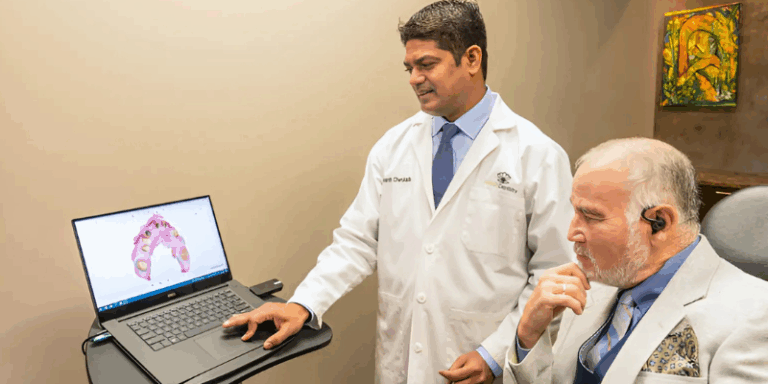
I would review your medical and dental history, examine the teeth and gums, assess the bite and consider the proposed replacement teeth. The condition of the remaining teeth, available bone, cleaning access and your ability to attend follow up all influence planning.
Existing images may answer some questions. Further images, including CBCT where indicated, should be selected after considering the examination and the question being investigated. A photograph or panoramic image alone cannot confirm every diagnosis or determine whether all teeth should be removed.
Some concerns require additional investigations or an appropriate specialist opinion. A remote discussion may help organise records and clarify questions, but it cannot reproduce a complete in person examination.
Compare the reasons behind each option
Depending on the findings, options may include retaining and restoring teeth, replacing selected teeth, a bridge, a removable prosthesis or implant treatment. Each has its own maintenance needs, limitations and treatment sequence. Preserving healthy teeth is part of considering the alternatives.
For a complex plan, ask about provisional teeth, healing stages, the final restoration, foreseeable complications and responsibility for ongoing care. If two dentists recommend different approaches, ask each to explain the evidence and trade offs. Different recommendations do not by themselves establish that one clinician is wrong.
Seek prompt care for swelling, worsening pain, discharge or a loose implant restoration rather than delaying an urgent problem while comparing plans. For a planned implant second opinion in Hyderabad, contact American Dental Implants & Smile Clinic in Nanakramguda, Financial District, and bring your available records.
Frequently asked questions
Does a second opinion mean I must change dentists
No. You may use the assessment to ask further questions and continue with your original dentist. Any transfer of care should include a clear handover and agreement about future treatment and maintenance.
Do I automatically need another CBCT scan
No. Bring existing scans and reports. Whether further imaging is useful depends on their quality, relevance, timing and the clinical findings, rather than simply attending a different clinic.
Can a second opinion guarantee the outcome
No. It can clarify options and uncertainties, but healing and long term outcomes cannot be guaranteed. Some findings become clearer only after further assessment or during treatment.