
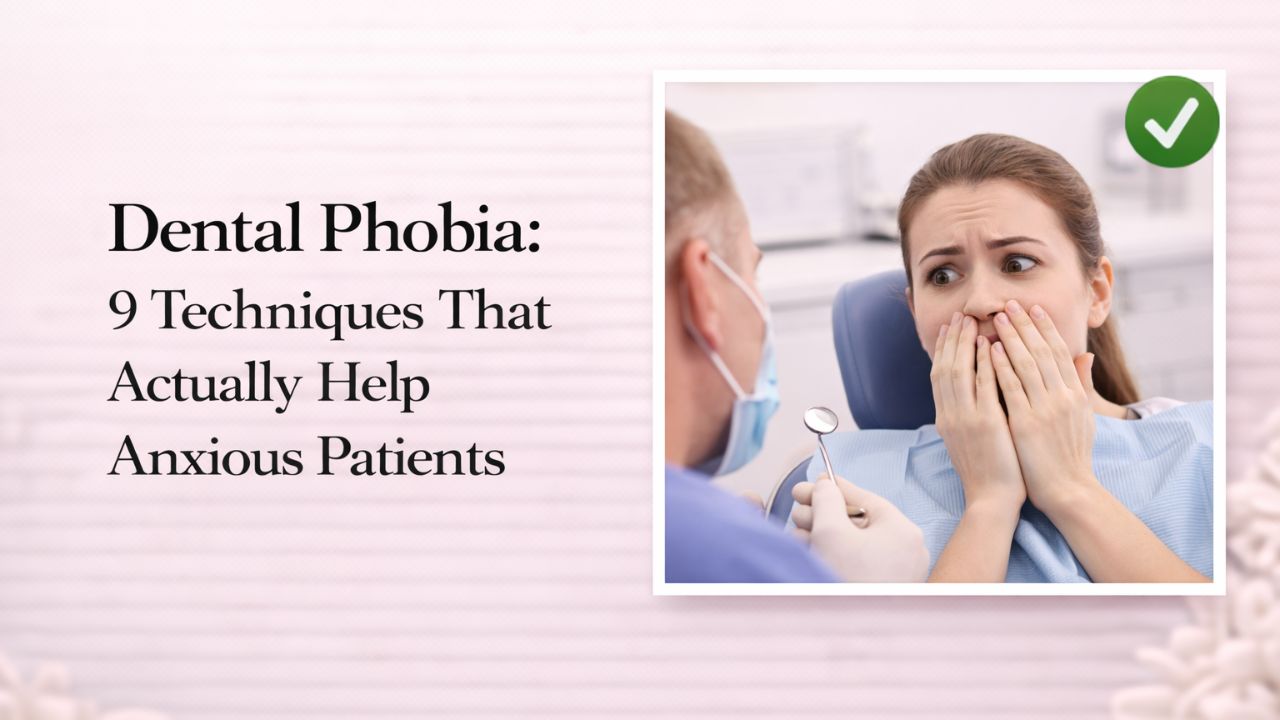
Dental anxiety is far more common than most people admit. For some, it’s mild nervousness before an appointment—but for others, it’s a deep-rooted fear that leads to delaying or completely avoiding treatment. Unfortunately, this often turns small dental issues into bigger, more complex problems.
The good news is that modern dentistry has evolved to make treatment far more comfortable and patient-friendly. At our American Smile Clinic, managing anxiety is a key part of the treatment process—not an afterthought. By Dr. Srikanth’s approach, creating a calm, predictable, and transparent experience helps patients feel in control and confident. Here are nine techniques that genuinely help anxious patients.
1. Clear Communication Before Treatment
Fear often comes from the unknown. When patients don’t understand what’s going to happen, anxiety increases.
That’s why it’s important to:
- Explain the procedure step-by-step
- Set realistic expectations
- Answer all questions openly
At our clinic, patients are never rushed into treatment—they are guided with clarity first.
2. Start with Simple, Non-Invasive Visits
For highly anxious patients, jumping into major procedures can feel overwhelming.
A better approach is to begin with:
- Basic consultation
- Cleaning or minor treatments
- Gradual exposure to the environment
This helps build trust and reduces fear over time.
3. Pain-Free Techniques and Modern Anesthesia
One of the biggest fears is pain—but modern dentistry is designed to minimize discomfort.
Patients benefit from:
- Advanced local anesthesia techniques
- Gentle, minimally invasive procedures
- Precision-driven treatment planning
By Dr. Srikanth’s experience, most patients are surprised at how comfortable treatments feel today.
4. Sedation Dentistry for Deeper Anxiety
For patients with severe dental fear, sedation can make a significant difference.
Options may include:
- Mild oral sedation
- Conscious sedation techniques
- Relaxation-based protocols
At our American Smile Clinic, sedation is used safely and thoughtfully to ensure a calm experience.
5. Control and Break Signals During Treatment
Feeling “trapped” in the chair can increase anxiety.
Patients should always know they can:
- Raise their hand to pause treatment
- Take breaks when needed
- Communicate discomfort instantly
This sense of control helps reduce fear significantly.
6. Comfortable, Calming Environment
The clinic environment plays a big role in patient comfort.
A well-designed setup includes:
- Clean, organized treatment spaces
- Minimal noise and distractions
- A calm, reassuring atmosphere
At our clinic, every detail is designed to make patients feel at ease from the moment they walk in.
7. Shorter, Well-Planned Appointments
Long, unpredictable appointments can increase stress.
A better approach includes:
- Efficient, well-structured visits
- Clear timelines
- Minimal waiting time
By Dr. Srikanth’s approach, planning is key to reducing both treatment time and anxiety.
8. Distraction Techniques
Simple distractions can help shift focus away from the procedure.
Patients may benefit from:
- Listening to music
- Guided breathing techniques
- Relaxation exercises
These small techniques can make a big difference during treatment.
9. Building Trust Over Time
Overcoming dental phobia is not a one-time process—it’s gradual.
Trust is built through:
- Consistent positive experiences
- Honest communication
- Gentle, patient-first care
At our American Smile Clinic, many patients who once avoided dentists now feel comfortable returning regularly.
Why Addressing Dental Phobia Is Important
Avoiding dental care can lead to:
- Worsening infections
- More complex treatments
- Increased cost and discomfort later
Addressing anxiety early helps prevent these complications and keeps your oral health on track.
Final Thoughts
Dental phobia is real—but it is also manageable with the right approach. Modern dentistry focuses not just on treating teeth, but on creating a comfortable and reassuring experience for every patient.
At our American Smile Clinic, anxiety is handled with care, understanding, and advanced techniques that prioritize patient comfort at every step. By Dr. Srikanth’s approach, the goal is simple—to help patients move from fear to confidence, one visit at a time.
FAQs – Dental Anxiety
Is dental anxiety common?
Yes, many patients experience some level of fear or nervousness.
Can I request sedation for treatment?
Yes, sedation options are available for anxious patients.
How can I overcome dental fear?
Start with small visits, communicate openly, and choose a supportive clinic.
Will the dentist understand my anxiety?
Yes, experienced dentists are trained to manage anxious patients.
What if I haven’t visited a dentist in years?
You’re not alone—clinics like ours focus on helping patients restart care comfortably.