Choosing a dental implant clinic requires more than comparing implant brands, promotional packages, or online ratings. Dental implant treatment involves both surgery and restoration, so the clinician’s experience, diagnostic process, treatment planning, sterilisation protocols, and long-term aftercare all matter.
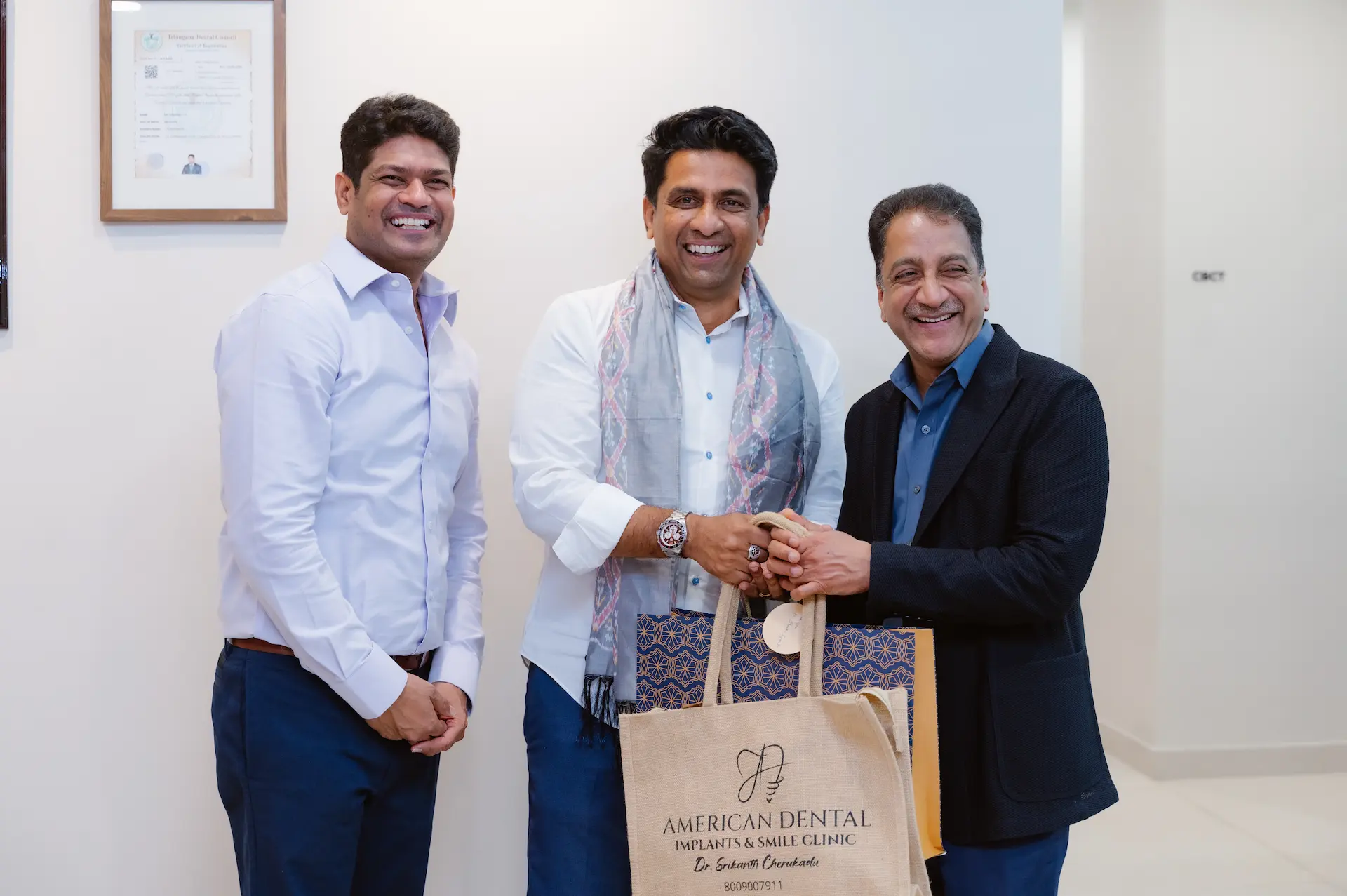
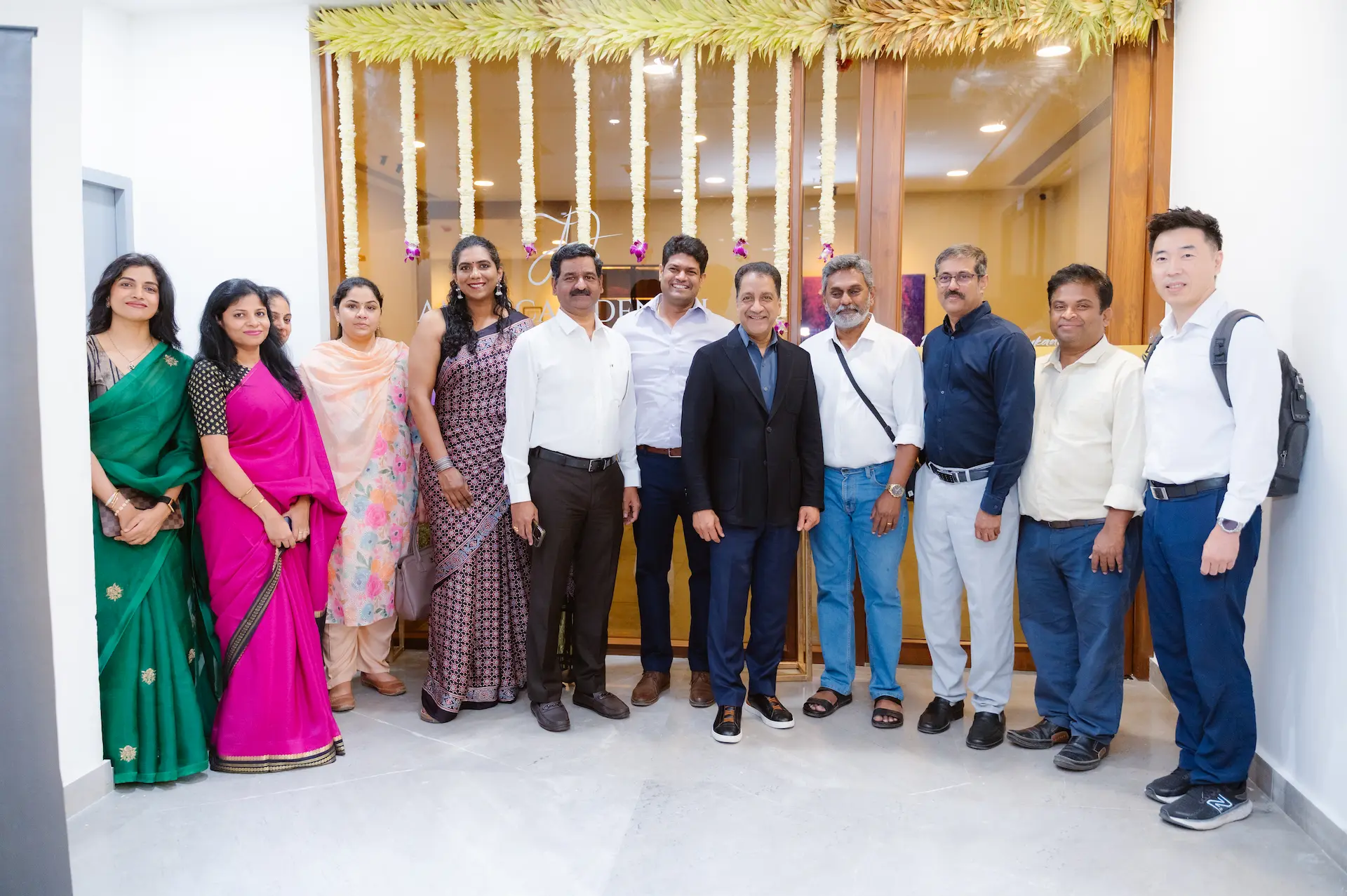
At American Dental Implants & Smile Clinic in Financial District, Nanakramguda, Hyderabad, treatment planning brings together your oral health, proposed replacement teeth, and personal priorities.
Dr. Srikanth Cherukadu, DMD, is a Boston University-trained dentist with more than 15 years of clinical experience in the United States. Our approach begins with understanding your needs and evaluating suitable treatment options before recommending an implant.
How to Choose a Dental Implant Clinic in Hyderabad
1. Evaluate Clinical Experience and Implant Training
The first question should be how long the treating dentist has been performing implant procedures and how frequently they manage cases similar to yours. Replacing a single missing tooth, rebuilding several teeth, and performing complete full-arch rehabilitation involve different levels of surgical and restorative complexity.
Years in practice are relevant, but experience alone does not establish clinical quality. Consider implant-specific training, experience with comparable cases, diagnostic methods, complication management, and how clearly the clinician explains treatment alternatives.
During your consultation, ask:
- Why is an implant being recommended, and can the existing tooth still be predictably saved?
- Who will perform the surgery and design the final restoration?
- Has the clinician treated cases with similar bone, gum, aesthetic, or bite requirements?
- What limitations or risks apply to your particular case?
- How would a surgical or prosthetic complication be managed?
Understanding these aspects can help you make a more informed decision about your treatment.
2. Make Sure the Final Tooth Guides Implant Placement
The implant is the foundation. The final tooth is the goal.
A dental implant should not simply be placed wherever bone is available. Its depth, angulation, and three-dimensional position should support the planned final restoration. This approach is known as restoratively or prosthetically driven implant planning.
Before surgery, the treatment team should consider the intended tooth position, restorative space, gum contour, neighbouring teeth, implant emergence, access for cleaning, and opposing bite.
For front teeth, these factors influence symmetry and how naturally the crown appears to emerge from the gum. For back teeth, they affect chewing forces, crown design, and ease of cleaning.
For full-mouth implant treatment, the planned bite, speech, tooth display, facial support, implant distribution, and provisional restoration should be evaluated before surgery. Digital planning and surgical guides may be useful in selected cases, but technology should support a sound restorative plan rather than replace clinical judgement.
Learn more about dental implant planning and 3D assessment and how the proposed restoration influences implant placement.
3. Ask How CBCT Imaging Is Used
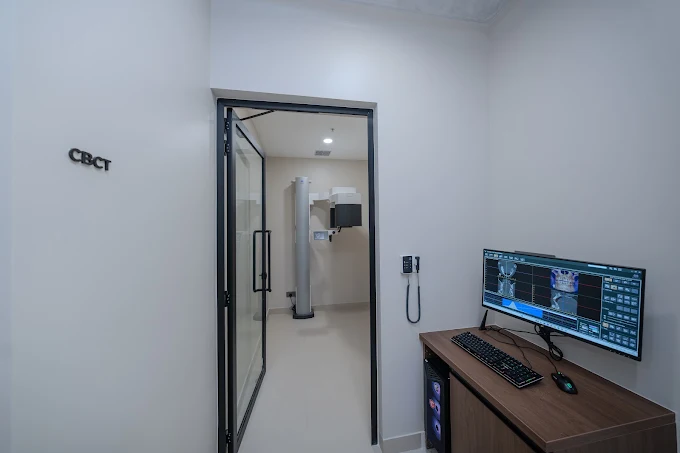
When clinically indicated, cone beam computed tomography (CBCT) provides three-dimensional information about the jawbone and nearby structures, including nerves, sinuses, and adjacent roots. This can help the clinician assess the proposed implant site and plan treatment more precisely.
The CBCT scanner does not necessarily need to be located inside the dental clinic. A suitable scan from a qualified diagnostic centre can also be used.
What matters is whether the examination is clinically justified, the appropriate area is captured, the scan is competently interpreted, and the findings are incorporated into the proposed restoration plan.
An in-house CBCT scanner can improve convenience by reducing additional travel, coordinating imaging with clinical records, and allowing the dentist to review findings with the patient. However, the presence of a scanner alone does not guarantee better implant care.
4. Find Out How the Restoration Will Be Designed
Implant treatment does not end when the implant is placed. The abutment, crown, bridge, or full-arch prosthesis must fit accurately, support the surrounding gums, function within the bite, and remain accessible for cleaning.
Ask whether the clinic uses digital impressions, custom abutments, or CAD/CAM restorations when appropriate, and how closely the treating dentist communicates with the dental laboratory.
An in-house digital laboratory can simplify communication between the clinician, designer, and technician. It may also allow tooth position, shade, bite, and restoration design to be reviewed more directly.
As with CBCT ownership, an in-house laboratory is useful when supported by careful clinical workflows and quality control.
5. Look Beyond a Clean Reception Area
A well-maintained clinic is reassuring, but visual cleanliness alone does not demonstrate effective instrument sterilisation.
Implant surgery involves contact with bone and surgical tissues, so it is important to understand how instruments are processed before they return to the treatment room.
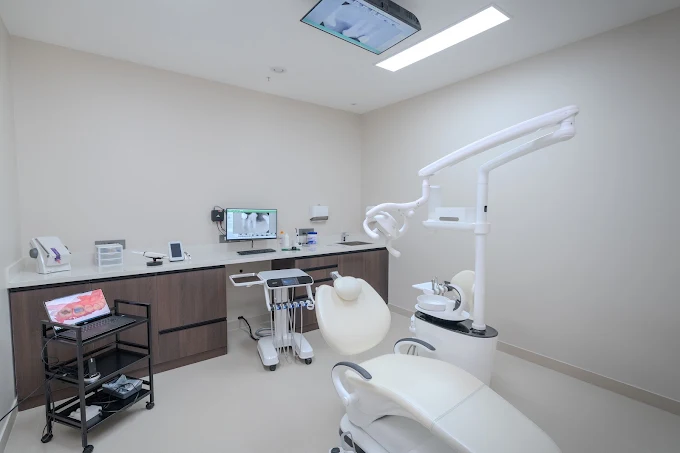
A structured infection-control workflow should include:
- Safe transport and separation of contaminated instruments.
- Cleaning and inspection before sterilisation.
- Packaging or wrapping instruments before the sterilisation cycle.
- Heat sterilisation of critical surgical instruments and appropriate handpieces.
- Mechanical, chemical, and biological monitoring, with maintained records.
- Protected storage of sterilised instrument packs until use.
- Appropriate single-use items, personal protective equipment, and surface disinfection.
- Dental-unit waterline management and safe biomedical-waste handling.
A Class B autoclave is a valuable component of a modern sterilisation system, but the machine itself is only one part of the process. Cleaning, packaging, cycle monitoring, recordkeeping, and storage are equally important.
Patients can ask how these protocols are followed without needing to understand every technical detail.
6. Expect a Written and Individualised Treatment Plan
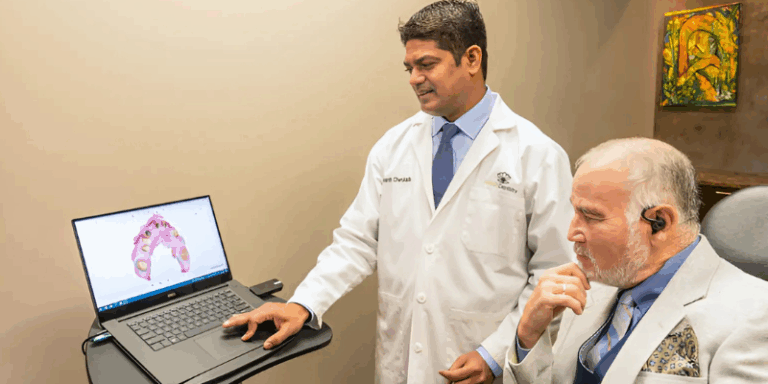
Before proceeding, the clinic should explain the proposed treatment and what it involves.
Your treatment plan should address:
- Which teeth can potentially be preserved.
- The proposed number and location of implants.
- Whether bone grafting or other preparatory procedures may be required.
- The expected healing stages.
- Temporary and final restorations.
- Available alternatives and important limitations.
- The estimated treatment timeline.
- Long-term maintenance and follow-up requirements.
Be cautious when complex treatment is recommended after only a brief examination or when same-day permanent teeth are presented as suitable for everyone.
Immediate implant placement or immediate provisional teeth may be appropriate in selected situations. However, the decision depends on bone condition, implant stability, infection, bite forces, and the design of the planned restoration.
A clear treatment plan helps you understand the sequence of care before making a decision.
7. Ask What Happens After the Final Tooth Is Delivered
Dental implants require daily home care and regular professional monitoring. Once the final restoration is placed, your dentist should explain how to clean around it, which hygiene aids may be useful, and how frequently you should attend follow-up appointments.
Reviews may include the gums, supporting bone when indicated, implant components, prosthesis, and bite.
Long-term maintenance is an essential part of implant treatment, not an optional extra. The clinic should explain how ongoing care will be personalised according to your oral health and restoration.
How These Principles Are Applied at American Dental Implants & Smile Clinic

At American Dental Implants & Smile Clinic in Financial District, Nanakramguda, Hyderabad, implant treatment is led by Dr. Srikanth Cherukadu, DMD, a Boston University-trained dentist with more than 15 years of clinical experience in the United States.
The clinic’s implant workflow brings together clinical examination, in-house J. Morita Veraview X 800 three-dimensional CBCT imaging when indicated, digital scanning, restoratively driven treatment planning, coordination with an in-house digital dental laboratory, and structured instrument processing.
A W&H Lara XL Class B autoclave is used within the sterilisation workflow.
Treatment selection remains individualised according to the patient’s anatomy, oral and medical health, bite, restorative requirements, and long-term goals.
Whether you are considering a single-tooth dental implant or a more extensive restoration, a comprehensive consultation helps determine which options may be appropriate for your case.
Frequently Asked Questions
How Do I Choose the Right Dental Implant Clinic?
Assess the treating dentist’s implant training and relevant experience, whether the final tooth is planned before surgery, how diagnostic imaging is used, the clinic’s sterilisation workflow, the quality of restorative planning, and the structure of long-term follow-up.
Is an In-House CBCT Scanner Necessary for Implant Treatment?
No. A suitable scan can be obtained from an external diagnostic centre. In-house access mainly improves convenience and coordination. Clinical justification, image quality, competent interpretation, and integration with the restorative plan matter more than the scanner’s location.
What Does Prosthetically Driven Implant Planning Mean?
It means planning the intended crown, bridge, or full-arch teeth first and using that plan to guide the implant’s three-dimensional position. The goal is a restoration that functions appropriately, looks natural, and can be maintained.
Does Every Implant Patient Need Guided Surgery?
No. A surgical guide can be helpful in selected cases, but it is not mandatory for every implant. The decision depends on the anatomy, restorative plan, and complexity of treatment.
How Can a Patient Assess Sterilisation Standards?
Ask whether instruments are cleaned, inspected, packaged, heat sterilised, monitored, and stored through a documented workflow. A polished treatment room or the name of an autoclave alone does not establish the quality of the entire process.
Are Same-Day Teeth Suitable for Everyone?
No. Immediate provisional teeth may be considered when clinical conditions are favourable. Bone quality, implant stability, infection, bite forces, and restoration design must be evaluated first.
Begin Your Dental Implant Consultation
Choosing a dental implant clinic involves understanding the clinician’s experience, diagnostic process, restoration design, infection-control procedures, and commitment to long-term care.
At American Dental Implants & Smile Clinic, one of the leading dental implant clinic in Hyderabad, treatment planning focuses on your individual clinical needs and the restoration you hope to achieve.
Patients considering a single implant, implant-supported bridge, or full-mouth rehabilitation can book an implant consultation to discuss suitable options, expected treatment stages, and ongoing care.