
Roadmap BDS To DDS
Unlock Your Dental Potential in the USA!
Elevate your BDS degree with a DDS program in the USA and unlock a world of opportunities. Enjoy cutting-edge technology, high earning potential ($160,000+ avg. salary), and a fulfilling career with work-life balance. Take the first step towards a brighter future in dentistry!
Achieve Your U.S. Dental Career Goals
Pursuing a dental career in the U.S. involves passing required exams like the INBDE and TOEFL, demonstrating English proficiency, and completing clinical training that meets CODA/ADA standards. This guide provides a step-by-step roadmap to help international dentists successfully transition into the U.S. dental profession.
- Requirements for Practicing Dentistry in the USA
- Step-by-Step Requirements for Pursuing a DDS in the USA
- Gathering Essential Documents for CAAPID Application
- CAAPID for International Dentists: A Step-by-Step Guide
- Timeline Management for CAAPID Application
- Preparing for the Bench Test
- Financial Planning for Dental School
- From BDS to DDS – A Transformative Journey
Requirements for Practicing Dentistry in the USA
To become a licensed dentist in the USA, BDS graduates must fulfill specific requirements through Advanced Standing DDS programs. These 2–3 year accelerated programs are designed for international dental graduates and cover:
- Pre-clinical and clinical requirements
- US dental practices and regulations
- OSHA and HIPAA guidelines
- Standard of Care in dental procedures
- Advanced dental procedures specific to US standards
This specialized curriculum prepares BDS holders for a successful dental career in the USA.
Step-by-Step Requirements for Pursuing a DDS in the USA
Step 1: ECE (Educational Credential Evaluation)
Educational Credential Evaluators (ECE) provides a vital service for international dental professionals. They verify the authenticity of foreign dental degrees, such as the Bachelor of Dental Surgery (BDS), and determine their equivalency to US standards.
This evaluation is a key step in the application process for dental schools, licensing exams, and professional certifications in the US. As part of their service, ECE converts international transcripts into a US-equivalent GPA on a 4.0 scale, allowing US institutions to assess applicants’ academic performance accurately.
Step 2: English Proficiency – TOEFL (Test of English as a Foreign Language)
TOEFL is a crucial step, evaluating English proficiency in reading, listening, speaking, and writing. Aim for a score above 100 to boost your chances of getting accepted into top dental schools offering Advanced Standing DDS/DMD programs, which typically require scores between 90–100.
A higher score expands your opportunities and flexibility in the application process.
Step 3: Mastering the INBDE
Get ready for the Integrated National Board Dental Examination (INBDE), a comprehensive test of your:
- Clinical knowledge application
- Basic biomedical sciences
- Dental sciences
- Patient care scenarios
- Clinical decision-making skills
The INBDE consists of:
- 500 multiple-choice questions
- Case-based dental problems
- 2-day examination period
To take the INBDE, you’ll need to travel to the United States or Canada to a Prometric testing center. The good news is that you can take the exam on a visiting visa, without necessarily enrolling in a master’s program in the US. We’ll dive deeper into the details of this process in the next post, so stay tuned!
Gathering Essential Documents for CAAPID Application
Before applying to CAAPID, gather these key documents:
Letters of Recommendation: From dental professionals, typically professors or clinical instructors, who can attest to your skills and expertise.
Dental Observation Hours/Shadowing: Documentation of observing American clinical standards at:
- Private practices maintained by licensed American dentists
- Community health science centers
- Observership programs from US dental schools
Personal Statement: A written statement showcasing your commitment to US dental practice.
Resume: A comprehensive resume highlighting your experience, skills, and qualifications.
Having these documents ready will help you submit a strong application to CAAPID!
CAAPID for International Dentists: A Step-by-Step Guide
The Centralized Application for Advanced Placement for International Dentists (CAAPID) is a platform that streamlines the application process for international dentists seeking advanced placement in US dental schools. Here’s a step-by-step guide:
Create an account: Register on the CAAPID website and create a profile.
Gather required documents: Collect necessary documents, such as:
- Letters of recommendation
- Dental observation hours/shadowing documentation
- Personal statement/Statement of Purpose
- Resume
- Educational credentials (ECE)
- TOEFL scores
Fill out the application: Complete the online application, providing detailed information about your education, clinical experience, and qualifications.
Upload required documents: Attach all necessary documents to your application.
Pay the application fee: Submit the required fee for processing your application.
Submit your application: Review and submit your application to CAAPID.
Match with participating schools: CAAPID will match your application with participating US dental schools that offer advanced placement programs.
By following these steps, international dentists can efficiently apply to advanced placement programs in US dental schools through CAAPID.
Timeline Management for CAAPID Application
To ensure a smooth application process, international dentists should follow this timeline:
6–12 months before application:
- Start gathering documents (ECE, TOEFL, letters of recommendation)
- Plan dental observation hours/shadowing at a Private Practise run by a US-licensed dentist, community health centers or at University dental schools
3–6 months before application:
- Finalize documents and prepare a personal statement/ Statement of Purpose
- Update your Resume
1–3 months before application:
- Create a CAAPID account and start filling out the application
- Upload required documents
Application submission:
- Review and submit the application
- Pay the application fee
After submission:
- Track application status
- Receive and respond to interview invitations
Effective timeline management helps international dentists stay organized and increase their chances of a successful CAAPID application.
Preparing for the Bench Test
After applying for an Advanced Standing Dental Program through CAAPID, focus on preparing for the Bench Test, which assesses your pre-clinical skills. This test is often a crucial component of the interview process for many dental schools.
Key Steps to Prepare:
- Review Test Format: Understand the test format, content, and scoring system.
- Practice Pre-Clinical Skills: Focus on improving your skills in areas such as:
- Tooth preparation (Different Crown preparation for Posterior and anterior teeth)
- Restoration (Class 2 and Class 3)
- Use Simulation Models: Practice on simulation models or typodonts to enhance your skills.
Seeking Guidance for Bench Test Preparation
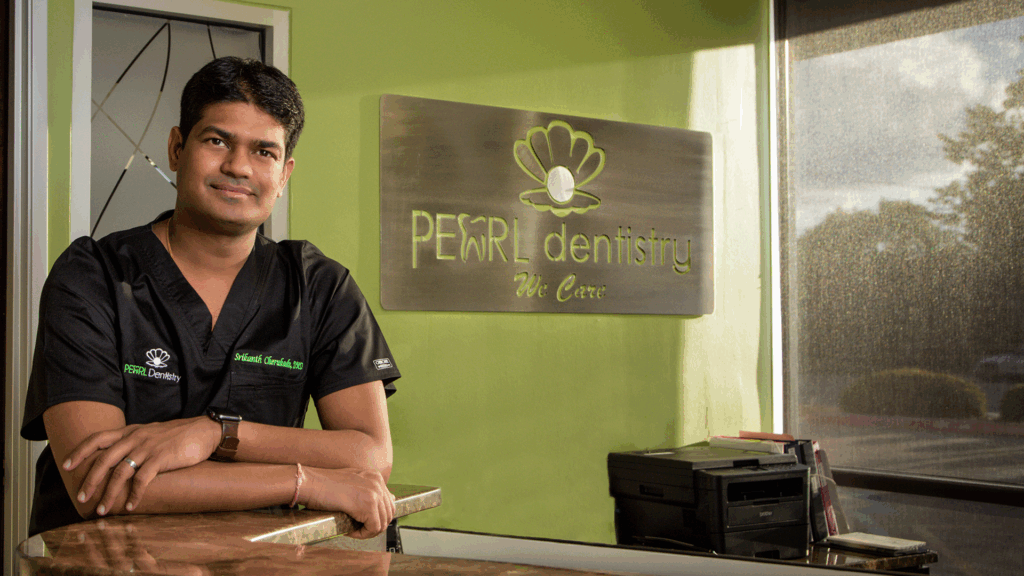
To excel in the Bench Test, consider seeking guidance from experienced US-licensed dentists who have firsthand knowledge of the test. Consulting with experts like Dr. Srikanth Cherukadu can provide valuable insights and tips to help you prepare effectively.
Their expertise can help you:
- Understand the test format and requirements
- Improve your pre-clinical skills
- Develop strategies for success
By preparing thoroughly for the Bench Test, you’ll increase your chances of acing the interview and securing a spot in an Advanced Standing Dental Program.
Financial Planning for Dental School
Pursuing a dental degree in the US can be costly. Effective financial planning is crucial to manage expenses. Here are some options to consider:
- Family Support: Discuss financial plans with parents and well-wishers.
- Loans from Indian Banks: Explore education loan options from Indian banks, which can be availed on a semester basis.
- US Bank Loans: US banks offer loans to international students with a co-signer who is a permanent resident or US citizen.
- – Other creative financing solutions
By discussing financial planning with Dr. Cherukadu, you can gain a better understanding of the options available and make informed decisions about funding your dental education.
Career Opportunities After Completing a DDS Program in the USA
Securing your DDS degree opens numerous professional pathways in the United States dental industry. The journey begins with obtaining your dental license through specific examinations:
Preparing for Clinical Licensing Exams
The clinical licensing exam process is a standard step for dentists in the US. Your dental university will provide training and preparation to help you succeed in exams like ADEX, CDCA, or WREB.
With proper guidance and preparation, you’ll be well-equipped to pass the exam and move forward in your dental career.
The U.S. dental industry offers diverse practice settings for licensed professionals:
Private Practice Options:
- Solo practitioner
- Partnership
- Group practice
- Dental service organizations (DSOs)
- Community Health Centers /Public Health Clinics
Alternative Career Paths:
- Hospital-based dentistry (GPR – General Practice Residency)
- Academic institutions
Salary Potential
The earning potential for U.S. dentists remains consistently high:
- Entry-level positions: $160,000 – $200,000.00
- Mid-career practitioners: $200,000 – $300,000
- Experienced Dentist & specialists: $300,000+
- Practice owners: $300,000–$500,000+ (depending on location and specialty)
Geographic location significantly impacts earning potential. Urban areas and states typically offer higher compensation rates. Rural areas present opportunities for higher earnings due to dentist shortages and state incentive programs.
The U.S. Bureau of Labor Statistics projects a 7% growth rate in dental careers through 2028, indicating stable job security and expanding opportunities for qualified professionals.
From BDS to DDS – A Transformative Journey
Pursuing a DDS degree in the US as an international dentist requires dedication, strategic planning, and perseverance. To succeed, focus on:
- Strategic Planning: Create a timeline for INBDE and English proficiency tests.
- Financial Preparation: Explore loan options with family or a co-signer who’s a US citizen or permanent resident.
- Professional Development: Build relationships for recommendations and shadowing experiences.
The US dental profession offers opportunities for growth, competitive salaries, and diverse practice settings. Your international background brings unique perspectives and cultural competencies, valuable in today’s healthcare landscape.
Take the First Step
- Research Advanced Standing Programs
- Connect with a US-based dentist who’s navigated this process
- Prepare application materials
With determination and preparation, your BDS foundation combined with a US DDS degree can lead to a rewarding career in American dentistry.
Best wishes
Dr. Srikanth Cherukadu DMD