Pregnancy brings many changes to the body, including changes in oral health. Unfortunately, a toothache during pregnancy is more common than many women realize. Hormonal fluctuations, increased blood flow to the gums, morning sickness, and dietary changes can all contribute to dental problems that cause discomfort.
If you’re a pregnant woman with toothache, it’s important to know that some remedies are safe while others should be avoided. The good news is that there are several ways to manage dental pain while pregnant without putting your health or your baby’s health at risk.
Why Does Toothache Occur During Pregnancy?
Pregnancy hormones can make gums more sensitive and prone to inflammation. Many women experience pregnancy gingivitis, which can lead to swollen, tender gums and tooth pain.
Other common causes of pregnancy toothache include:
- Gum disease
- Tooth decay
- Wisdom tooth issues
- Teeth grinding
- Increased sugar cravings
- Acid erosion from morning sickness
Ignoring dental pain can allow the underlying problem to worsen, making early care essential.
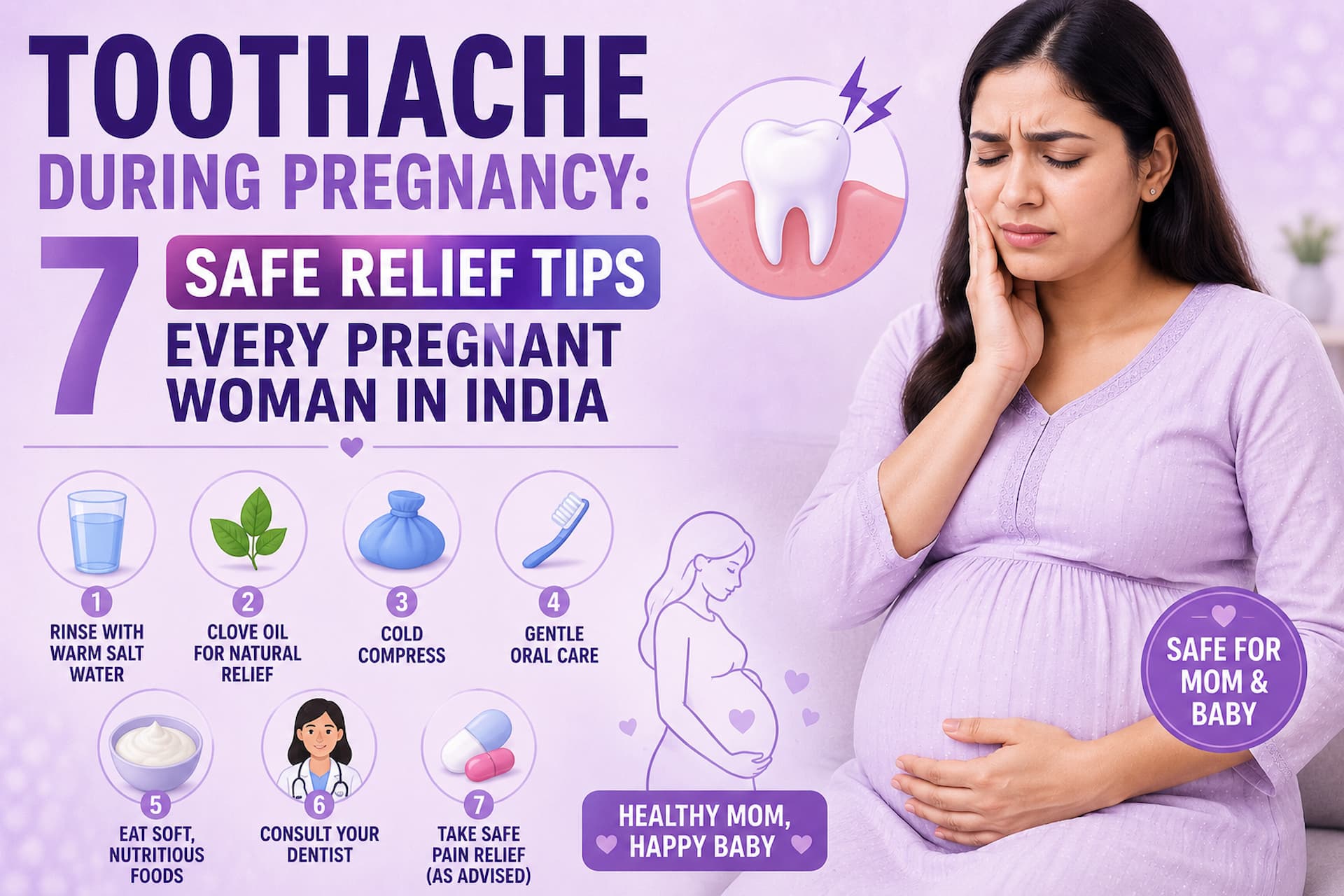
1. Rinse with Warm Salt Water
A warm saltwater rinse is one of the safest home remedies for a toothache and pregnancy.
Salt water helps reduce bacteria, soothe inflamed gums, and provide temporary pain relief.
Mix:
- 1 teaspoon salt
- 1 glass of warm water
Gently rinse your mouth several times a day.
2. Maintain Excellent Oral Hygiene
Pregnancy can make gums more sensitive, but that doesn’t mean you should avoid brushing.
Continue to:
- Brush twice daily with fluoride toothpaste
- Floss gently every day
- Clean around painful areas carefully
Good oral hygiene can reduce inflammation and prevent further irritation.
3. Apply a Cold Compress
If swelling accompanies your dental pain, a cold compress can help.
Place an ice pack wrapped in a cloth on the outside of your cheek for 10–15 minutes at a time.
This can help reduce swelling and temporarily numb discomfort.
4. Stay Hydrated
Dry mouth can increase bacterial growth and worsen dental issues.
Drink plenty of water throughout the day to:
- Wash away food particles
- Support saliva production
- Reduce the risk of cavities
Hydration is especially important during pregnancy.
5. Avoid Extremely Hot, Cold, or Sugary Foods
Sensitive teeth often react to temperature changes and sugar.
If you’re experiencing dental pain while pregnant, try avoiding:
- Ice-cold beverages
- Very hot drinks
- Sticky sweets
- Sugary snacks
Choose softer foods that are less likely to irritate the affected tooth.
6. Schedule a Dental Check-Up
Many pregnant women delay dental visits because they worry treatment may be unsafe.
In reality, routine dental examinations and many treatments are considered safe during pregnancy when performed under professional supervision.
A dentist can identify whether your pain is caused by:
- A cavity
- Gum infection
- Cracked tooth
- Wisdom tooth issue
Early diagnosis often prevents bigger problems later.
7. Use Pregnancy-Safe Pain Relief Only Under Medical Advice
Some pain medications may not be suitable during pregnancy.
Never self-medicate without consulting:
- Your dentist
- Your obstetrician
They can recommend safe options based on your trimester and medical history.
When Should You See a Dentist Immediately?
Seek professional care if you experience:
- Severe tooth pain
- Facial swelling
- Pus around the gums
- Fever
- Difficulty chewing
- Bleeding gums that don’t improve
These symptoms may indicate an infection that requires prompt treatment.
Can Dental Treatment Be Done During Pregnancy?
Yes. Many dental procedures can safely be performed during pregnancy.
The second trimester is often considered the most comfortable time for non-emergency dental treatment. However, emergencies can be treated at any stage when necessary.
Modern dentistry allows dentists to provide safe care while taking pregnancy-related precautions.
Final Thoughts
A toothache for pregnant women should never be ignored. While home remedies may provide temporary relief, identifying and treating the underlying cause is the best way to protect both your oral health and overall well-being.
If you’re dealing with a pregnancy toothache, focus on good oral hygiene, safe pain management, and timely dental care. A healthy smile contributes to a healthier pregnancy and a more comfortable experience for both mother and baby.
FAQs
Is a toothache normal during pregnancy?
Toothaches are relatively common during pregnancy due to hormonal changes, gum inflammation, and increased risk of dental issues, but they should always be evaluated if persistent.
Can a tooth infection affect pregnancy?
Yes. Untreated dental infections may affect overall health and should be addressed promptly by a dental professional.
What is the safest way to relieve tooth pain while pregnant?
Warm saltwater rinses, cold compresses, good oral hygiene, and professional dental care are generally considered safe options.
Can I visit a dentist while pregnant?
Yes. Routine dental care and many treatments are safe during pregnancy, especially when coordinated with your healthcare provider.
When should a pregnant woman seek emergency dental care?
You should seek immediate care if you experience severe pain, swelling, fever, pus, or signs of infection.